
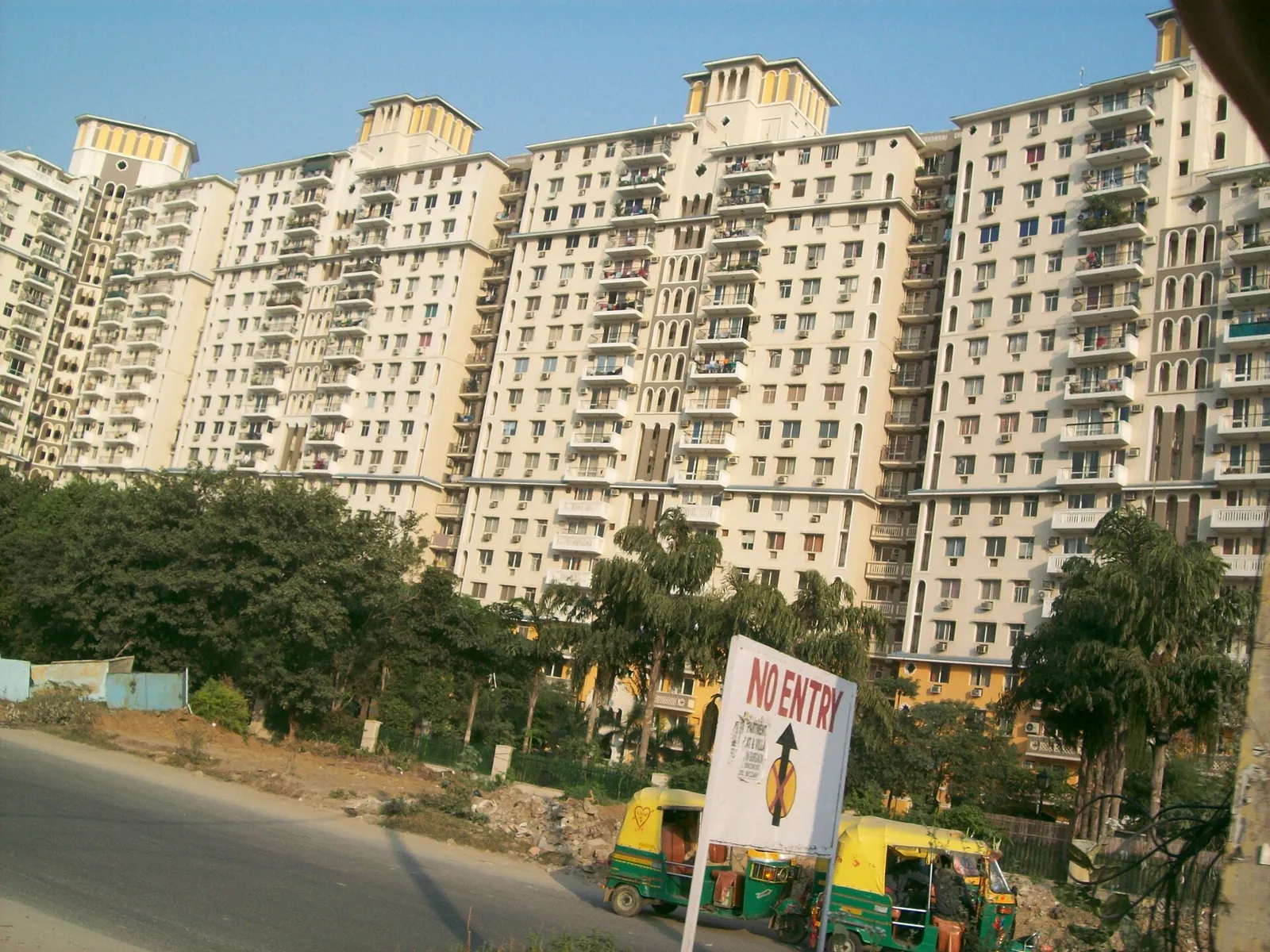
By Nikunj Homes, Faridabad · Updated
In short
Before paying a token amount for property in Faridabad or anywhere in Haryana, check five things: that the seller owns it (the chain of registered sale deeds and the jamabandi), that nothing is owed on it (loans, property tax, society and HSVP dues), that it was built legally (licence, approved plan, occupation certificate), that a new project is registered with HRERA, and that the sale will be by a registered sale deed rather than a power of attorney.
1. Ownership: is the seller the real owner?
- Registered sale deed in the seller’s name, plus the chain of earlier sale deeds showing how the property passed to them.
- Jamabandi (record of rights) and mutation (intkal) entries, which you can look up on Haryana’s Jamabandi land-records portal.
- If the seller inherited the property: the will or succession papers, and the mutation in their name.
- If more than one person owns it, every owner must sign the sale.
2. Dues and loans: is anything owed on it?
- Bank loan closure letter and the original documents returned by the bank, if the property was mortgaged.
- Property ID and property tax no-dues from the Municipal Corporation Faridabad (MCF).
- Society or RWA no-dues and maintenance clearance for a flat.
- HSVP no-dues certificate for a property in an HSVP sector.
- Recent electricity and water bills paid up to date.
3. Approvals: was it built legally?
- For a plot in a private colony: the colony’s licence from the Department of Town and Country Planning (DTCP), Haryana. Unlicensed colonies carry legal risk.
- Approved building plan for the house or floor.
- Occupation certificate (OC) for a ready-to-move flat or building. Without an OC, the building has not been certified as complete and fit to occupy.
- For agricultural land being used for anything else: change of land use (CLU) permission.
4. New projects: HRERA registration
Residential and commercial projects in Faridabad must be registered with the Haryana Real Estate Regulatory Authority (HRERA). Note the registration number from the builder’s brochure or advertisement and check it on the HRERA website, along with the project’s approved plans and completion date.
5. How the sale is made
- Buy through a registered sale deed at the sub-registrar’s office. A general power of attorney (GPA) or agreement to sell does not transfer ownership on its own.
- Stamp duty and registration fees are paid when the sale deed is registered. Rates depend on the area and on the buyer (Haryana gives a lower rate to women buyers), so check the current rate before you budget.
- The value used for stamp duty cannot be below the collector rate (circle rate) set by the district administration.
- After registration, apply for mutation so the records show you as the owner.
This guide is general information, not legal or tax advice. Rules and rates change; confirm with the relevant authority, a lawyer or a chartered accountant before you act.